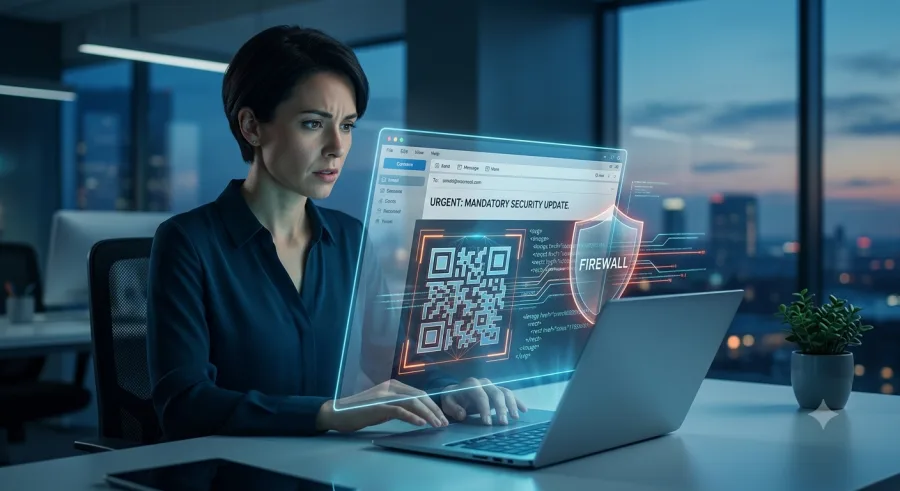
The Psychology of the Click: Why Your Brain is Hardwired to Fall for Phishing
In the world of cybersecurity, we often talk about "zero-day vulnerabilities" and "backdoor exploits." We spend billions on sophisticated encryption and hardware security modules. But there is one vulnerability that no software patch can fix, and it resides right between your ears.
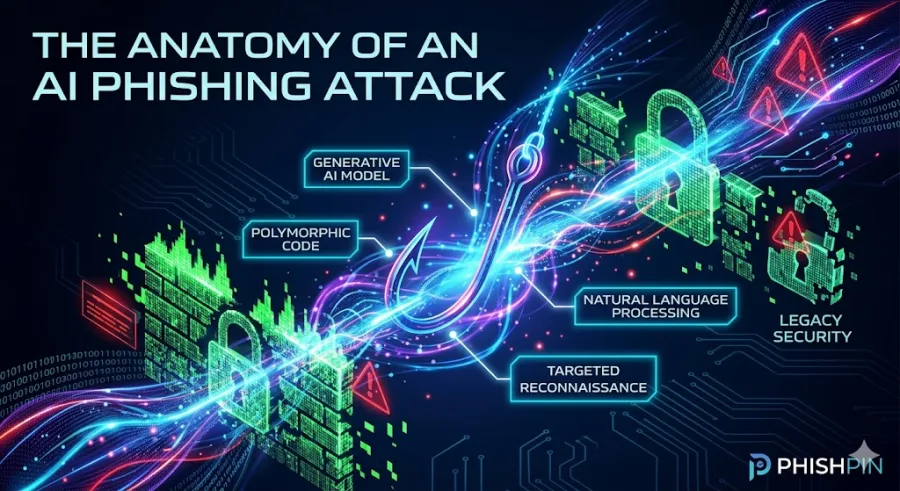
Cybercriminals have realized that it is much easier to hack a person than it is to hack a server. While traditional phishing relied on bulk emails and poor grammar, today’s landscape has shifted toward Neural Hacking—the art of using psychological triggers to bypass logical reasoning.
The Anatomy of a Modern Trap
Why do smart people click on malicious links? It isn’t a lack of intelligence; it’s a bypass of the prefrontal cortex. Attackers use three primary psychological levers to force your hand:
1. The Urgency Paradox
When we feel a sense of urgency (e.g., "Your account will be suspended in 30 minutes"), our brains enter a "fight or flight" state. This causes a biological shift where the amygdala takes over, suppressing the analytical part of the brain. You don't think; you react.
2. The Authority Illusion
We are socially conditioned to follow instructions from figures of power. Modern phishing mimics the exact communication style of your CEO, the HR department, or government agencies like the IRS. By the time your brain questions the request, the "click" has already happened.
3. The Consistency Bias
Attackers often start with a "micro-ask." They might send a harmless-looking poll or a request to verify a non-sensitive detail. Once you’ve engaged once, your brain feels a psychological need to be consistent, making you far more likely to comply when the second, more dangerous request arrives.
From "Phishing" to "Hyper-Personalization"
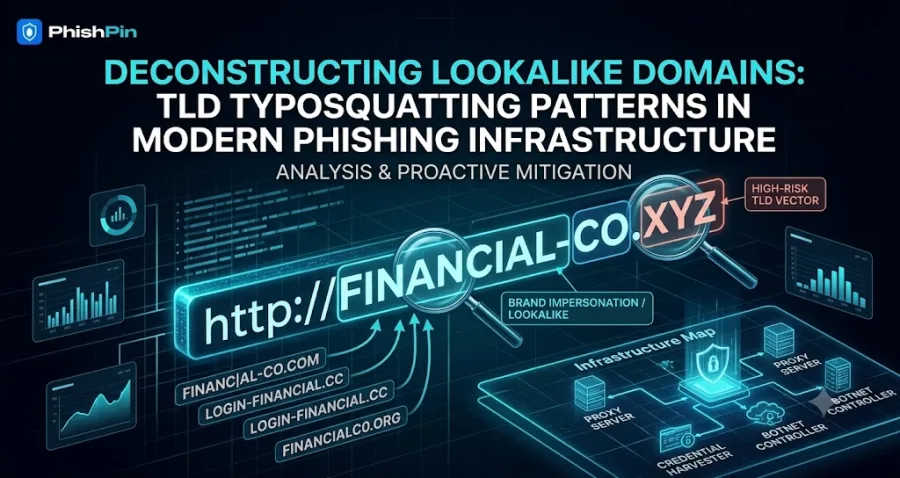
We are entering the era of the Digital Twin. Scammers no longer need to guess your interests; they scrape your LinkedIn, Twitter, and professional bios to craft a narrative so specific it feels impossible to be fake.
Imagine receiving an email about a specific project you’re working on, mentioning a colleague by name, and asking you to review a "confidential" document. This isn't just a scam; it’s a precision-guided strike.
Turning the Tide: Building Biological Resilience
If humans are the target, then humans must become the sensor. Technology like PhishPin provides the "digital safety net," but the ultimate defense is a shift in digital culture. We must move from a culture of convenience to a culture of verification.
Practice "Paused Thinking": Never click a link in an email that evokes a strong emotion (fear, excitement, or urgency) without a 60-second "cool down" period.
Verify Out-of-Band: If your "boss" asks for a wire transfer or a password via email, verify it through a different channel—a quick Slack message or a phone call.
Embrace the "Zero Trust" Mindset: Treat every unsolicited digital interaction as a hypothesis that needs to be proven, rather than a fact to be accepted.
The Bottom Line
The firewall of the future isn't made of code; it’s made of awareness. As AI makes it easier for attackers to mimic human behavior, our only defense is to understand the psychological strings they are trying to pull.
Don't let your brain be the backdoor to your company's data. Stay skeptical, stay alert, and remember: The most dangerous link is the one you weren't expecting, but feel like you have to click.
Is your brand being impersonated?
PhishPin finds lookalike domains, fake profiles and phishing kits that copy your brand - and gets them taken down. Get a confidential 24-hour audit.
Get my free audit