Phishing & Lookalike Domains
Fresh briefings on real incidents: what happened, how the attack works and what to do. RSS

The SVG Quishing Threat: How Scammers Use Scalable Vector Graphics to Bypass Email Firewalls
The corporate email landscape is currently facing a silent and rapid transformation in how malicious payloads are delivered. For years, secure email…
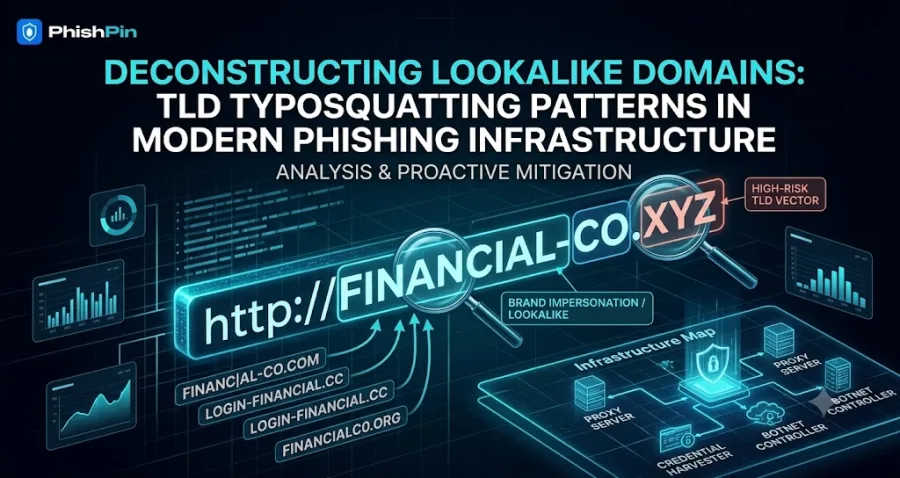
Deconstructing Lookalike Domains: TLD Typosquatting Patterns in Modern Phishing Infrastructure
In corporate brand protection, waiting for a malicious link to hit an employee's or customer's inbox means you're already playing catch-up. Attackers…
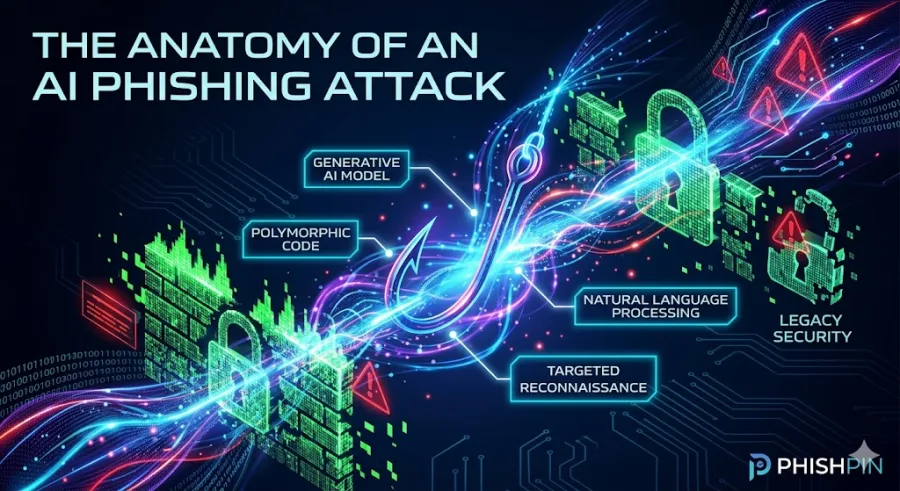
The Anatomy of an AI Phishing Attack: How Generative Cybercrime Bypasses Traditional Security
Traditional email security is failing. For decades, businesses trained employees to look for the classic warning signs of a phishing attempt: glaring…
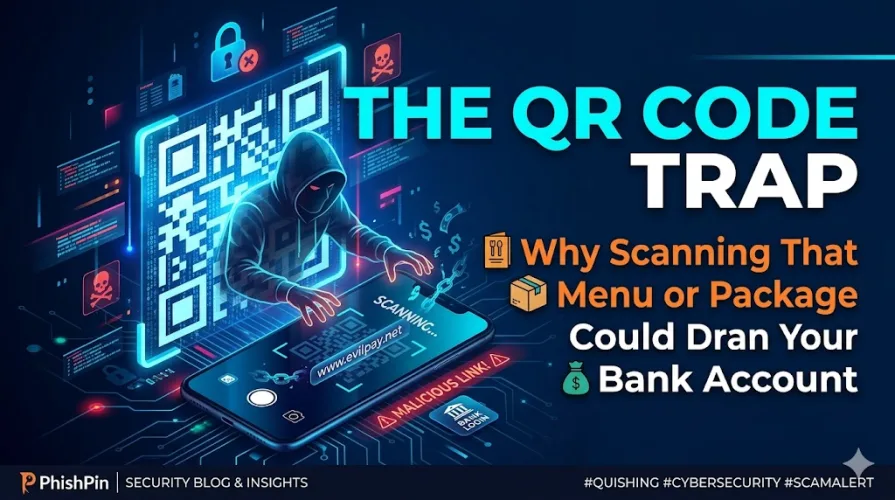
The QR Code Trap: Why Scanning That Menu or Package Could Drain Your Bank Account
Take a look at your phone. When was the last time you scanned a QR code? Maybe it was to view a digital menu at a restaurant, pay for parking, track a…
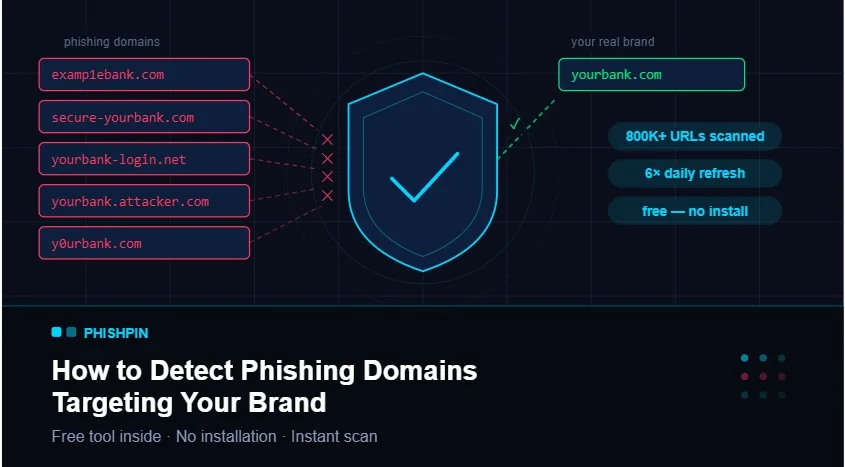
How to Detect Phishing Domains Targeting Your Brand — Free Tool Inside
Learn how attackers create fake domains targeting your brand and how to detect them for free using PhishPin's threat intelligence platform. Every day…

The Psychology of the Click: Why Your Brain is Hardwired to Fall for Phishing
In the world of cybersecurity, we often talk about "zero-day vulnerabilities" and "backdoor exploits." We spend billions on sophisticated encryption and…

The Rise of AI-Powered Phishing: Why Humans Are the New Firewall
In the early days of cybersecurity, hackers relied on poorly written emails, suspicious links, and obvious scams to steal credentials. Today, artificial…

Your 3-Step Guide to Mastering Anti-Phishing
Phishing has evolved. It’s no longer just "Nigerian Princes" and bad grammar; it’s AI-generated emails, fake login pages that look identical to the rea…